













Uniform blog/Phased Migration: How to Modernize Without Holding Your Breath
Phased Migration: How to Modernize Without Holding Your Breath

Phased Migration: How to Modernize Without Holding Your Breath
TL;DR
Phased migration is an incremental approach to modernization that lets organizations launch a focused digital experience, validate it in production, and expand on proven results. It reduces the risk, cost, and disruption of all-at-once replatforming while preserving existing systems and enabling faster value. The key takeaway: Start with a contained, high-value experience, measure outcomes, and use each release to guide the next phase of a composable architecture.
Modernization is no longer a leap of faith
Legacy platforms sit at the center of critical digital operations, making replacement projects risky. Teams are asked to pause feature work, move large volumes of content, rebuild integrations, and retrain users before anyone can confirm that the new foundation works in production. The result is a familiar all-or-nothing migration plan with a long timeline and a high cost of being wrong.
For organizations of every size, the pressure to modernize still grows. Customer expectations change quickly, marketing teams need faster ways to launch and optimize experiences, and engineering teams need room to evolve the stack without repeated rework. Yet a migration that takes six to nine months just to reach feature parity with the system being replaced consumes time, budget, and attention without delivering a meaningful new capability.
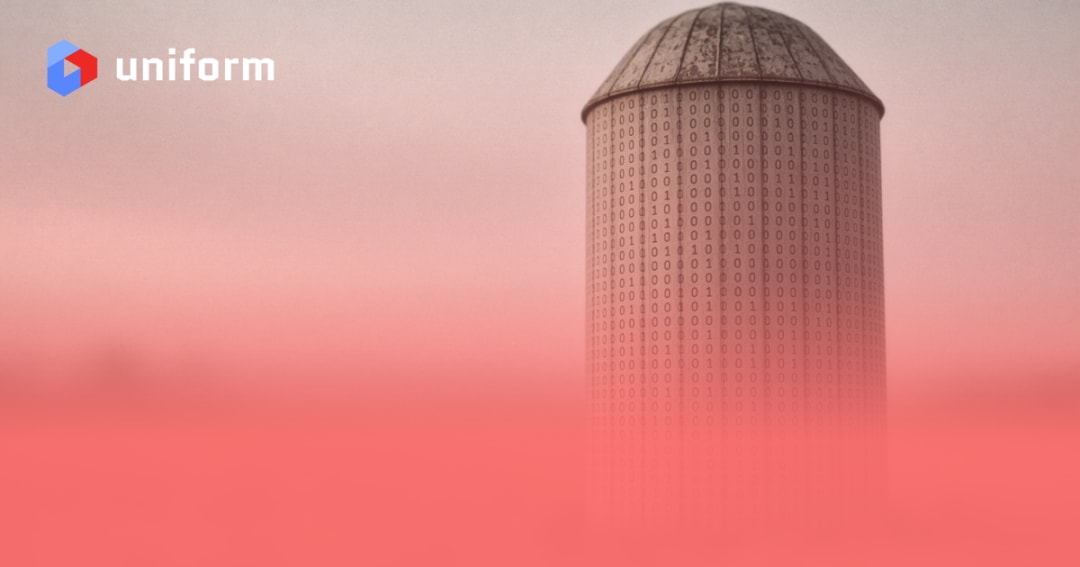
The problem is that tightly coupled architecture turns every change into a broad replacement decision, forcing teams to flip multiple switches at once and hope the final release performs as planned.
Migrate in validated stages
A digital experience platform built for composable architecture gives organizations a different path. Instead of replacing every system in a single program, teams can introduce a modern front end, connect existing services, and migrate individual capabilities when the timing is right. Teams can test each phase against real business goals before starting the next.
This approach follows a practical incremental modernization model. The existing content management system can remain in place while a new experience layer is deployed, reducing the need to move every page and workflow on day one. As priorities shift, you can modernize content, commerce, search, analytics, and other services independently through flexible integrations.
A phased migration framework
Start by identifying a contained experience with measurable value, such as a campaign landing page, a regional site, a resource center, or a high-traffic product category. Define success criteria before development begins, including page performance, publishing speed, conversion rate, and operational effort. This creates a baseline that makes the first phase a business validation rather than a tech demo.
Next, build the experience with reusable components and connect only the services required for the release. Marketers can assemble and manage pages in the Visual Workspace, while developers retain control of the components, standards, and connected data sources. The team can then observe publishing workflows, performance, and customer behavior in a live setting before extending the model to another section of the site.
Finally, use the lessons from each release to guide the roadmap. Capabilities that are working well can expand to additional pages, brands, or markets, while processes that need refinement can be adjusted without putting the entire site at risk. This steady progression replaces a single high-stakes launch with a sequence of informed decisions.
Prove value before expanding
Phased migration changes the economics of modernization. Instead of funding months of parity work before realizing value, organizations can deliver a production experience early and use its results to prioritize what comes next. Uniform can support the migration of entire websites in a few weeks when the scope, component readiness, and connected systems align, creating a faster path from planning to measurable outcomes.
Early releases also give teams evidence that reduces internal uncertainty. A modernized campaign site can show whether:
- authors publish faster
- pages meet performance expectations
- the new design system scales across different content types
These findings strengthen the business case for the next phase because they are based on operating experience rather than assumptions.
The benefits extend beyond launch speed. A composable foundation lets marketing and engineering teams improve experiences continuously instead of waiting for the next major replatforming cycle. Teams can add personalization to high-value journeys, evaluate page variants with A/B testing, and expand to new markets with localization.
What phased modernization makes possible
Composable architecture creates strategic flexibility without requiring an immediate replacement of every existing platform. It supports a gradual transition in which proven tools remain connected, new capabilities are introduced where they matter most, and each investment earns the next one. This flexibility is especially valuable when business priorities, budgets, or technology requirements change mid-program.
Key takeaways
- Reduce migration risk: Launch a focused experience first, validate it in production, and expand only after performance and workflow goals are met.
- Deliver value sooner: Avoid spending six to nine months pursuing basic parity; prioritize a release that improves speed, customer experience, or campaign effectiveness from the start.
- Modernize on a business-led roadmap: A retailer might begin with seasonal campaign pages, while a global brand might validate one regional site before extending the same component model across markets.
Most importantly, a phased model keeps modernization connected to outcomes. It creates a path for teams to learn quickly, limit disruption, and move forward with confidence instead of relying on a single irreversible launch. The destination can be a fully modern architecture, but the journey does not need to begin with an all-or-nothing commitment.
Migration without holding your breath
Begin by mapping one customer-facing experience that is important enough to matter and contained enough to validate quickly. Document the systems it depends on, establish a small set of success measures, and identify the reusable components that could support future phases. This initial assessment turns a broad migration conversation into a practical first release.
Explore Uniform documentation for Siphon migration, implementation guidance, and planning resources. For organizations evaluating a phased migration, a discovery workshop or migration roadmap can help identify a high-value pilot, clarify dependencies, and set realistic milestones.
The sturdiest modernization programs begin with a validated step forward, not a blind leap.
FAQ
It means upgrading a digital platform in small, validated stages instead of replacing everything at once.
Uniform transforms SAP Commerce Cloud into a composable commerce powerhouse
SAP